
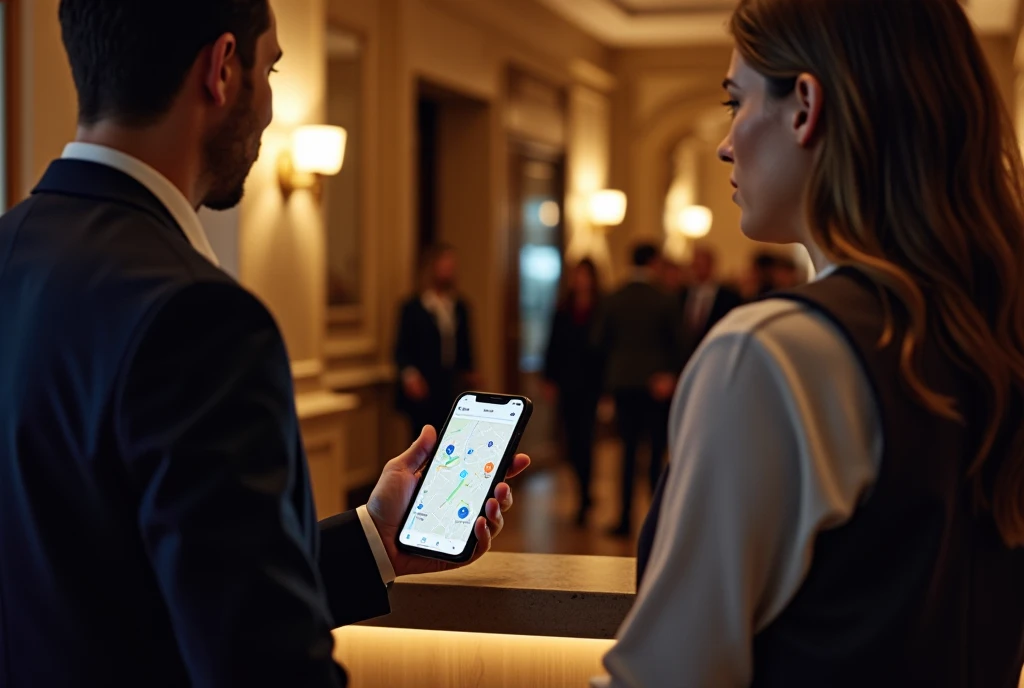
Late-night demand in Boston is visible on the street, not in reports. By 8:30 PM on a Friday in Back Bay, most restaurants are full, wait times reach 40–60 minutes, and ride prices increase by 20–50 percent within a short window, forcing decisions to happen quickly. A hotel concierge does not compare long lists, they check what is available right now and what can be arranged within minutes, and the same pattern appears in user behavior when someone opens their phone late at night, checks distance, availability, and response time, including searches like escorts boston, because at that point the choice is driven by immediate access and timing rather than careful selection or detailed comparison.
Demand Peaks Are Predictable and Measured
Boston’s service economy follows repeatable patterns. Data from hospitality and mobility platforms shows consistent spikes tied to specific triggers.
- Thursday to Saturday nights account for over 60 percent of weekly demand in central districts
- Major sports events increase nearby service requests by 25–40 percent within two hours
- Weather shifts, especially sudden cold or rain, redirect demand indoors within 30 minutes
Businesses track these cycles closely. A restaurant near TD Garden prepares for post-game surges. A transport provider increases active drivers during event windows. The pattern is not theoretical. It is logged, measured, and acted on weekly.
Speed Replaces Traditional Strategy
In high-demand segments, slow decision-making loses revenue. Boston businesses adjust by shortening response times rather than refining long-term positioning.
- Menus are simplified during peak hours to reduce order friction
- Staff schedules shift dynamically based on real-time bookings
- Pricing adjusts within minutes rather than days
A venue that reacts within 10 minutes captures demand. One that waits an hour misses it. The gap is visible in revenue per hour, not just daily totals.
Location Density Defines Competitive Advantage
Boston’s layout concentrates demand into specific zones. Back Bay, Seaport, and Fenway operate as high-density clusters where proximity becomes a decisive factor.
- Customers prefer options within a 5–10 minute radius during peak hours
- Businesses within clusters see up to 2x higher walk-in rates compared to isolated locations
- Visibility from the street increases conversion more than online ranking at night
This creates uneven competition. A well-rated business outside these zones struggles during peak periods, while an average one inside a cluster can outperform simply due to location.
Pricing Becomes Fluid, Not Fixed
Static pricing fails under fluctuating demand. Boston businesses adapt through flexible models.
- Surge pricing in transport during peak demand windows
- Time-based pricing in hospitality, higher rates after 9 PM
- Bundled offers that increase average transaction value
A bar near Fenway may raise prices by 15 percent during game nights without reducing volume. Customers accept the increase because alternatives are equally constrained. The decision is driven by availability, not cost optimization.
 Operational Flexibility Decides Outcomes
Execution matters more than planning. Businesses that adjust operations in real time capture disproportionate share.
- Staff reallocation during peak hours reduces wait times
- Inventory prioritization ensures high-demand items remain available
- Quick service adjustments maintain flow under pressure
A kitchen that shifts focus to faster dishes during rush hours increases turnover by up to 30 percent. A service provider that reduces response time by even five minutes gains a measurable edge.
Conflict Between Efficiency and Experience
High demand creates tension between speed and quality. Boston businesses navigate this trade-off constantly.
- Faster service reduces personalization
- Higher volume increases operational errors
- Pricing adjustments risk customer dissatisfaction
Some businesses lean into efficiency, accepting a more transactional experience. Others limit capacity to preserve quality, sacrificing short-term revenue. Both approaches exist side by side, shaped by brand positioning and operational limits.
Customer Behavior Reinforces the System
Customers adapt to the same conditions. Their behavior reinforces the patterns businesses respond to.
- Late decision-making increases reliance on immediate availability
- Reduced comparison time shifts focus to visible options
- Group dynamics accelerate final choices
A group leaving a concert rarely evaluates five alternatives. They choose the first viable option that fits the moment. This behavior rewards businesses that are ready, visible, and responsive.
The System Runs on Timing, Not Preference
Boston’s high-demand service market operates on timing more than brand loyalty. A customer may prefer one place but choose another due to availability at that exact moment.
- Peak demand compresses decision windows to minutes
- Availability overrides prior preference
- Visibility converts faster than reputation
This creates a dynamic where businesses compete on readiness rather than identity. The one prepared at the right time captures the demand.
What Defines Success in This Market
The pattern is consistent across sectors.
- Anticipate demand peaks using historical data
- Reduce response time to match real-time conditions
- Optimize location or compensate through visibility
Businesses that align with these principles maintain stable performance even under fluctuating demand. Those that rely on static models fall behind quickly.
Boston does not reward the best plan. It rewards the fastest adjustment.