
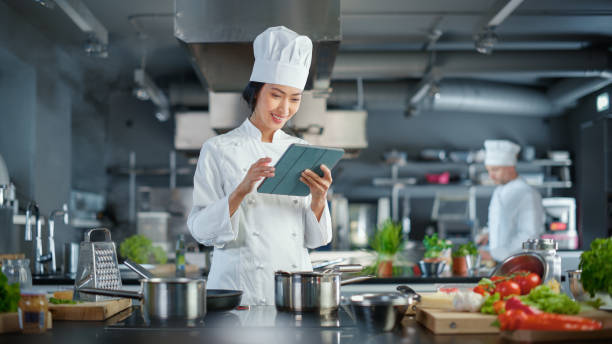
Can a restaurant take more orders with the same kitchen space and still keep the team calm, clear, and fast?
It can, when the kitchen is planned smartly and practically. A restaurant kitchen is not only a place where food is cooked. It is the main working area where every order, every plate, and every customer request moves step by step.
When the space, tools, team roles, and order flow are planned well, the kitchen can serve more people with better comfort.
Smart Kitchen Planning Starts With Clear Space Use
A well-planned kitchen gives every person a clear place to work, so the team can move with comfort and focus.
Keep Each Work Area Easy To Reach
In a restaurant kitchen, time matters. The cooking area, cutting area, packing area, washing area, and storage space should be placed in a simple order. For example, vegetables can move from storage to washing, then cutting, then cooking, then plating. This kind of flow feels natural for the team.
When staff members do not have to move here and there again and again, they can finish more orders in less time. It also helps new team members learn the kitchen process faster. Like we say in daily life, if everything has its proper place, kaam jaldi hota hai.
Place Common Items Near The Team
Daily-use items like pans, ladles, plates, bowls, spices, sauces, gloves, and packing boxes should stay close to the people who use them most. Small changes like this can save many minutes in a busy day. In restaurant work, these small saved minutes join together and support more order handling.
A chef should not need to walk far for one spoon or one sauce bottle. A packing team member should not need to search for bags or labels. Good placement keeps the kitchen active and smooth.
Better Order Flow Helps The Team Work Faster
When orders move in a clear path, the kitchen team can understand what to cook first, what to prepare next, and what is ready to serve.
Use Simple Order Tracking
Restaurants today handle dine-in, takeaway, phone orders, and online orders. All these orders need clear tracking. A good POS for Restaurants setup can help the front team and kitchen team stay connected. It shows order details clearly, so the kitchen can prepare food in the right order.
This helps staff know the item name, quantity, table number, packing note, and special request. When this information is easy to see, the team can work with more confidence. It also helps managers understand which items are moving fast and how the kitchen can plan prep work better.
Give Orders To The Right Station
Each kitchen station should receive the orders that match its work. For example, the tandoor team handles tandoor items, the frying team handles fried snacks, and the packing team handles takeaway packing. This simple station-wise order flow keeps work balanced.
When each person knows the task, the kitchen feels more organized. The chef can focus on cooking. The helper can focus on prep. The packing person can focus on clean packing. Everyone works like one team.
Digital Screens Make Kitchen Work More Clear
A clean digital order screen can help the kitchen team read and manage orders with better speed and comfort.
Show Orders Where The Team Can See Them
Paper tickets are common in many places, but digital kitchen screens can make order viewing more direct. Good kitchen display system hardware can show live orders to the cooking team. The screen can be placed near the main cooking area, packing counter, or station area.
The team can see new orders, cooking status, item count, and order timing in one place. This helps them plan the next steps without calling out again and again. It also supports a calm working style, which is very useful during lunch and dinner hours.
Help Staff Focus On Active Orders
A kitchen screen can show which orders are new, which are being cooked, and which are ready. This helps staff move from one task to the next in a neat way. It also helps the manager check the kitchen flow by looking at the screen.
For example, if many rice bowls are ordered together, the team can prepare rice portions in one flow. If many tea or juice orders come together, the beverage station can plan quickly. This makes the full kitchen more active and smart.
Prep Planning Supports More Orders
When prep work is done in a clear way, the kitchen can cook faster during main order hours.
Prepare Common Items Before Peak Time
Restaurants can save a lot of time by preparing common ingredients before the rush. Chopped vegetables, sauces, batters, curry bases, dough, chutneys, and toppings can be kept ready as per the menu needs. This does not mean overdoing anything. It means planning the right amount based on daily sales and customer demand.
When a chef gets the ingredients ready, cooking becomes faster. A simple paneer dish, sandwich, biryani, dosa, burger, or roll can move quickly from order to serving. This is real kitchen logic that every good food business understands.
Use Menu Data For Prep Work
Past order data can help restaurants see which items sell more on weekdays, weekends, lunchtime, or dinner time. This helps the kitchen prepare better. If dal, rice, fries, wraps, or beverages sell more at a certain time, the team can stay ready with the right prep.
This kind of planning helps the restaurant handle more orders with the same team and the same space. It also helps the food taste stay steady because the team is not making everything in a hurry.
Team Roles Make The Kitchen Stronger
A kitchen runs better when every team member knows the role and follows a clear daily method.
Give Clear Tasks To Each Person
One person can handle cutting, one can manage cooking, one can check plating, and one can handle packing. In a small restaurant, one person may manage more than one role, but the task order should still be clear.
Clear roles save time and make teamwork better. Staff can support each other because they know who is doing what. It feels like a cricket team, where every player has a position, and the full team moves toward one goal.
Train Staff With Simple Steps
Training does not need heavy words. It can be simple. Show the team where items are kept, how orders are read, how food is packed, how stations are cleaned, and how handover is done. Repeat the same steps daily, and the kitchen becomes faster with practice.
A trained team can handle more orders because each person understands the system. This gives the restaurant a strong base for daily service.
Final Thoughts
Smart kitchen planning is all about simple, useful, and real steps. Good space use, clear order flow, proper digital support, planned prep work, and trained staff can help a restaurant serve more customers with comfort. The best part is that these changes do not need to feel heavy. Even small improvements in item placement, station setup, order tracking, and team roles can make daily work better.
For any restaurant, the kitchen is the heart of the business. When the kitchen works in a clear and organized way, the full restaurant feels more active, more ready, and more customer-friendly. That is how smart kitchen planning helps restaurants handle more orders in a practical and easy-to-follow way.