

In times when stock, bond and cash markets appear volatile, owning physical gold may seem like a safer bet. There are other options that allow you to save in a tax-advantaged retirement account while holding approved precious metals, but there are rules, fees and considerations to weigh beyond the marketing copy.
Financial planners want to help their clients stay informed and make wise choices, so what really matters isn’t whether a gold IRA is a good idea or a bad idea. It’s whether adding it to your retirement plan makes sense in the context of your investment time horizon, risk tolerance and current asset allocation.
What’s in a precious-metals retirement account?
A precious-metals self-directed IRA is set up to hold approved physical assets, not just the traditional securities. Depending on the type of account, qualified holdings may include specific gold, silver, platinum and/or palladium bullion that meets quality requirements.
You usually cannot keep the metal at home, in your safe or in a bank deposit box, and it is not held in your name. It typically must be held by an approved custodian and stored in an approved depository.
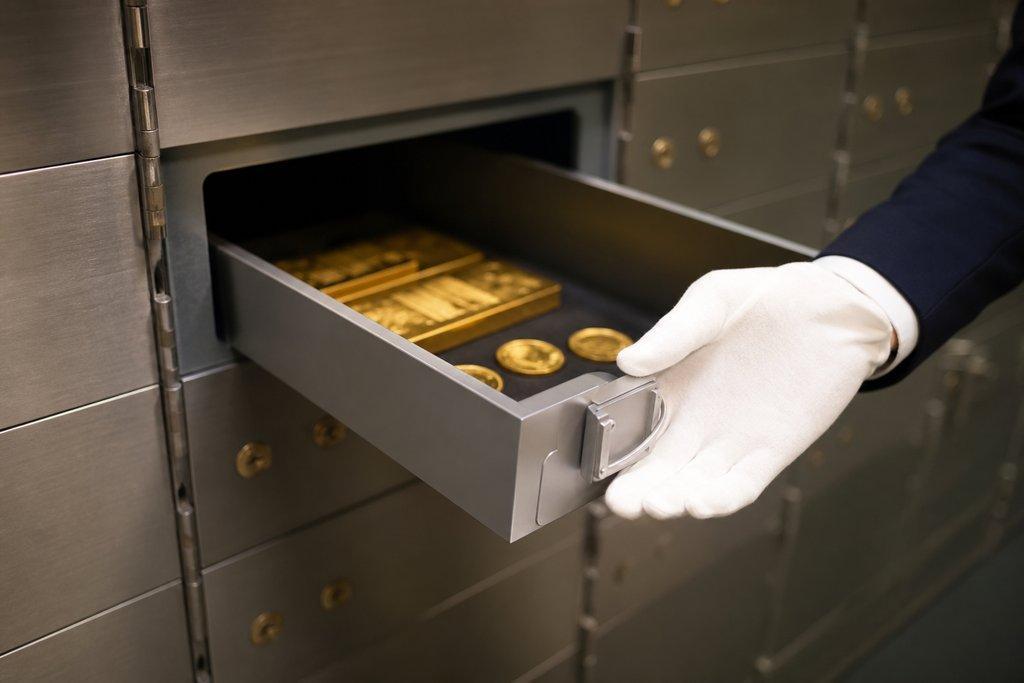
This is an important distinction. You own gold coins outright if you purchase them for yourself; you do not own those same coins if they are held in a precious-metals IRA. The tax implications, storage requirements, accessibility and administration are not the same.
Why investors consider precious metals
Gold has historically been used as a hedge against currency devaluation, inflation and stock market turmoil. Gold prices do not necessarily rise and fall in tandem with the stock market, which is why some people think of gold as a diversification asset.
Reasons to consider an allocation to precious metals may include:
- To reduce your reliance on stock and bond performance
- To hold a tangible asset, not just an investment in paper
- To add an asset class that might act differently in a market downturn
- To benefit from the tax treatment of an IRA in part of a broader investment plan
However, because gold does not pay dividends or interest, nor does it have operating profits, its value depends entirely on market demand. This means gold is very different from an investment that produces income or a business with revenue growth.

One of the most critical things to look at when considering a precious-metals IRA are the fees. These accounts tend to involve more layers of fees than a regular brokerage retirement account.
Common fees can include an initial setup fee, annual custodian fees, storage fees, insurance fees and premiums for transactions when buying and selling metals. There could be a minimum amount you need to invest and additional charges for rollovers and withdrawals.
A small annual fee might not seem like much, but can add up over many years. Request a breakdown in writing of the one-time and ongoing fees, and compare the sum against the fees of your current retirement investments. Also ask how the price you pay is calculated and what the process will be when you sell. How much would you actually get back if you had to sell off some of the metals in the middle of a bear market?
Rules, trade-offs, and warning signs
The IRS does set certain rules for these accounts, and failing to follow them could result in tax consequences. Your custodian, the way the metals are stored, and the specific types of metal must all comply. It would be wise to steer clear of any company that hints that you are free to keep the metals yourself without fear of tax ramifications, because taking personal possession of an IRA asset could be considered a distribution that results in tax liability and/or penalties depending on your situation.

Transfers and rollovers are also important – more on Business Insider if you want that route. You might be able to move the money from your existing retirement account, but the process matters. Having the new custodian take the funds directly from your old custodian is much easier than receiving the funds yourself and depositing them within 60 days.
Skip this if the basics aren’t met
If you don’t have an emergency fund, you’re carrying credit card debt, and you’re not getting your company match, there’s no point in exploring physical metals for a retirement account. While investing in gold or silver might be an appropriate move for your retirement portfolio, they’re not a substitute for basic financial management.
It’s also not needed if you’re looking for minimal fees, you’ll need access to your retirement funds soon, or you prefer a set-it-and-forget-it type of investing strategy.
Don’t buy into panic selling
Some advertisements for precious-metals accounts can play on investors’ fears of economic trouble. Inflation, national debt, the decline of the dollar and stock market volatility are all concerns, but they shouldn’t drive you to make a decision that’s all-in or nothing.
Instead, determine whether or not precious metals have a role in your portfolio at all. Some investors want the security that comes with owning tangible assets and want to keep their retirement assets diversified. Others find that adding physical metals just increases their costs and adds another variable to manage in their portfolio.
Also beware of the urge to move your entire retirement account balance quickly. An informed decision will allow you to evaluate your existing portfolio, investigate other options, and understand how the move will impact your overall investment strategy.
Is the dealer acting as a seller, adviser or both? The commissions and dealer spread from the buy/sell process can immediately erode your investment returns, even before you see any fluctuation in the price of gold.
Make sure to keep a copy of all the necessary paperwork, including invoices, storage records and rollover documentation to report when filing your taxes.
Checks before transferring retirement money
If you’re considering opening a precious-metals account for your retirement, you’re probably aware of the pros and cons and have decided that investing in physical metals is right for you. Just don’t fall into the trap of doing so in order to run away from economic uncertainty or abandon assets that have been helping your retirement grow.
Before making a transfer, take note of your current retirement balances, the ongoing costs associated with the account, your target metals allocation, and how exactly the metals are stored and how you would go about liquidating them.