

Looking to get started in fashion on a budget?
Running a wholesale apparel business is one of the best business ideas anyone can have right now. The US apparel market alone is $365.70 billion in 2025 and the potential to carve out your share is huge.
But here’s the deal…
Launching a fashion business has a reputation of requiring deep pockets and industry connections. That is completely false. Wholesale blank apparel has never been easier to start with minimal investment and maximum flexibility.
In this guide, we’ll cover:
- Understanding The Wholesale Apparel Opportunity
- Finding Your Perfect Niche
- Choosing The Right Suppliers
- Setting Up For Success
- Building Your Brand Identity
Understanding The Wholesale Apparel Opportunity
The wholesale blank apparel market is red hot right now.
Why? Because purchasing shirts in bulk and other wholesale blank apparel provides entrepreneurs with a proven framework to build successful fashion brands. The blank apparel market was $15.2 billion in 2024 and has no signs of slowing down.
But here’s the thing…
Traditional fashion manufacturing requires huge upfront investments. Minimum orders of thousands of pieces. Lead times of weeks or even months.
Wholesale blank apparel turns that model on its head. Start with as few as just a few dozen pieces. Test designs in days, not months. Scale up only what actually sells.
The beauty of this business model is speed to market. Fashion trends come and go in a blink. Getting first to market with a hot new design can be the difference between a sellout and dead inventory.
Finding Your Perfect Niche
One thing most people get wrong is…
Trying to serve everyone and thus ending up appealing to no one. The apparel market is huge but crowded. Standing out from the noise means laser focus on one specific audience.
Ask yourself who is looking for custom apparel:
- Corporate clients who want branded merchandise
- Sports teams in need of uniforms
- Event organizers who want custom gear
- Schools and universities
- Local businesses
Pick one and own it.
Research your chosen niche audience to figure out exactly what they need and want. Corporate buyers want professional look and durability. Sports teams need moisture-wicking materials. Event organizers want eye-catching colors and graphics.
Tailoring your wholesale offerings to these specific needs is what separates the winners from the also-rans.
Choosing The Right Suppliers
This is where most new ventures go either spectacularly right or disastrously wrong.
Here’s why…
Suppliers are not just where stock gets bought. They are a business partner. Product quality, on-time delivery, and customer satisfaction all depend on the supplier relationship.
Cheap suppliers might have dirt cheap prices but provide wildly inconsistent quality. Shirts that fall apart after two washes. Colors that fade immediately.
You do not want that headache.
What to look for in suppliers:
Quality blank apparel suppliers should provide consistent fabric weight, quality, and construction. Reliable stock levels and delivery times. Transparent pricing with no hidden markups or fees. Fast turnarounds.
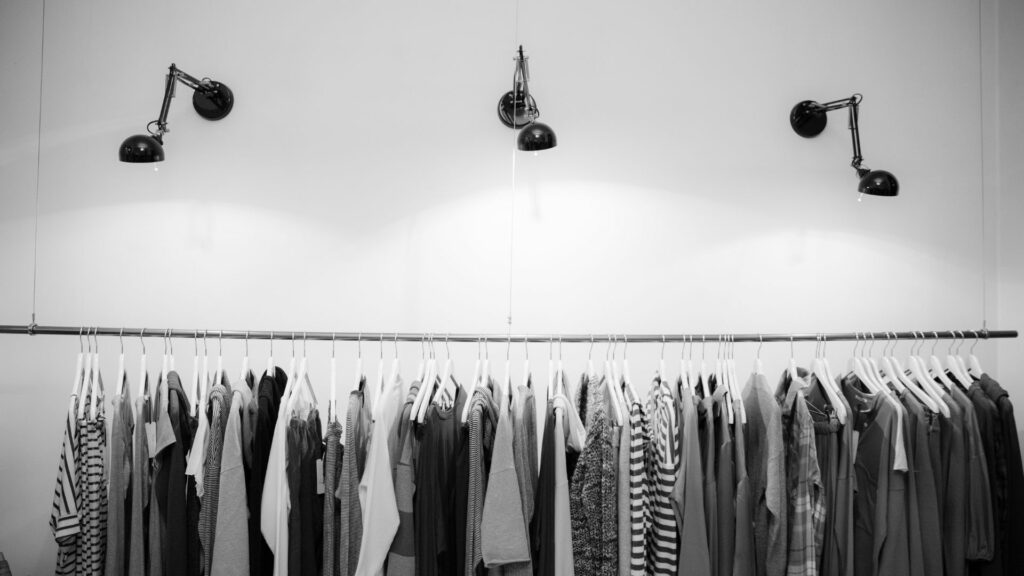
Variety also matters. As your business grows you will need to expand beyond basic t-shirts to hoodies, polos, long sleeves, etc. Suppliers need to have these options in stock.
Here’s the secret most people miss though…
Order samples first and from multiple suppliers. Feel the fabric. Inspect the stitching. This little bit of upfront investment can save you major headaches down the road.
The best suppliers won’t bat an eye at sending out samples. If a supplier makes excuses about samples? Walk.
Setting Up For Success
Setting the business structure up right from day one will save headaches later.
Begin with the legal stuff:
Register the business with the state. Obtain an Employer Identification Number (EIN) for processing payments. Get a resale certificate or tax permit to purchase wholesale. Form an LLC if desired for liability protection.
This is not the sexy part but it’s absolutely necessary. Without the proper paperwork you will be unable to buy from wholesale suppliers.
Then the financial setup.
Startup costs for a wholesale apparel business are reasonably low versus traditional manufacturing. Initial expenses include sampling and first inventory purchase. Basic equipment like heat presses or embroidery machines. Website and online store. Marketing/advertising budget.
Most successful wholesale apparel businesses start with a few thousand dollars and grow from there. Lean start and scale based on real sales not projected hopes.
Building Your Brand Identity
What most people don’t realize is…
It is not the apparel itself people buy. They buy the brand story, the identity, the feeling of wearing those clothes.
Blank apparel is the canvas. The brand vision creates a reason for people to want to wear those blanks.
Begin by defining brand pillars. What makes this business different? What values does it stand for? Who is the ideal customer and what do they care about?
The answers to these questions will drive every design and marketing decision going forward.
Design strategy is important too.
Most new brands make the mistake of creating designs they themselves like rather than designs their audience will buy. That’s backwards. Each design must appeal directly to the target audience’s interests, values, and lifestyles.
Test small with first batches. See what flies and what flops. Double down on hits and cut losses early.
Pricing strategy is similar. Prices too high scare away customers. Prices too low kill the business. Sweet spot requires experimentation.
Successful wholesale apparel businesses typically aim for a 50-70% markup on finished items. This allows room for discounts while still maintaining strong margins.
Marketing Your Wholesale Business
Getting those first customers feels like the hardest part.
But it doesn’t have to be.
Begin with the audience already identified in the niche selection stage. Where do they congregate? Corporate buyers frequent industry events. Sports teams connect through local leagues. Event organizers frequent specific online communities.
Go where the customers already are.
Social media is effective at building brand awareness and showcasing designs. Post often. Share customer photos. Respond to comments. Engage and build relationships not just follower counts.
Email marketing is also important.
Building an email list from day one creates a direct line to potential customers. Send value first with styling tips or exclusive previews. Sales pitch should be secondary.
Partnerships can also help growth. Team up with complementary businesses. Sponsor local events for brand exposure. Offer referral incentives to existing customers.
Wrapping Things Up
Launching a wholesale apparel business provides a path to real entrepreneurial success without massive financial risk.
Combination of low startup costs, high-quality products, and quick time-to-market provide new ventures with real fighting chance.
To quickly recap:
- Focus on one specific niche rather than trying to appeal to all
- Choose quality suppliers who can deliver consistently
- Set up proper business structure from day one
- Build a strong brand identity that resonates with target audience
- Market directly where ideal customers are spending their time
The wholesale blank apparel market has been growing year after year. Customer demand for personalized products continues to climb.
Success comes down to three things:
Start small. Test everything. Scale up what works.
This minimizes risk while maximizing learning. Each design is a lesson. Each customer interaction is a revelation. Each sale builds momentum.
The opportunity is here. The market is ready. It’s just a matter of taking that first step.